June 20th - June 22nd
MONPS 2025
Summer Field Trip
Join us for our next MONPS weekend! We will be visiting several sites near Troy MO beginning the afternoon of Friday, June 20th and wrapping up on Sunday morning, June 22nd.
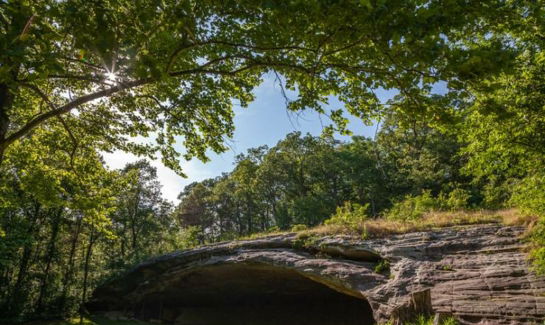
Join us for a special day with author, Lorie Hetrick-Volenberg. Lorie will show us around at Graham Cave State Park where she has worked as a Natural Resource Specialist. She will have lots of great information and insight to share with us! A walk in Graham Cave State Park is a walk through ancient history. Artifacts uncovered in Graham Cave reveal that people occupied the cave 8,000 to 10,000 years ago. To walk through the park’s 386 scenic acres, which includes the diverse Graham Cave Glades Natural Area, is to walk in the footsteps of the hunter-gatherers who lived in the area’s caves during the ancient Dalton and Archaic period. Restrooms are located on site.
Field Trip Leader: Lorie Hetrick Volenberg
Friday June 20th - 5:00 PM
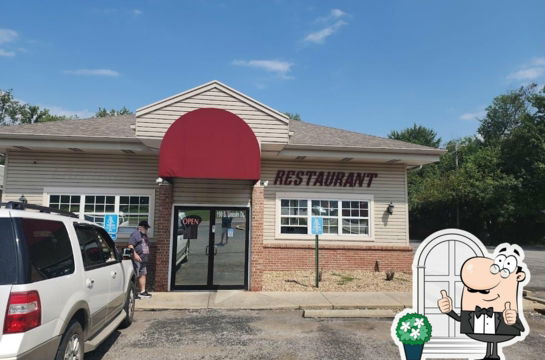
Dinner with Lorie Hetrick-Volenberg
190 S Lincoln Dr
Troy, MO 63379
Friday June 20th - 7:00 PM
Friday Night Speaker
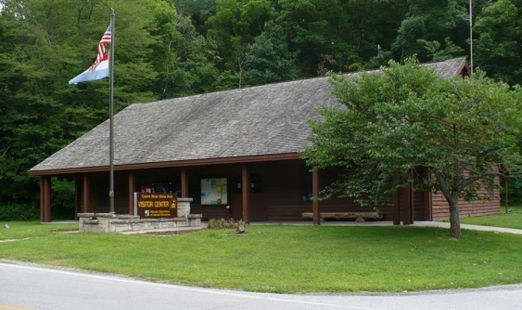
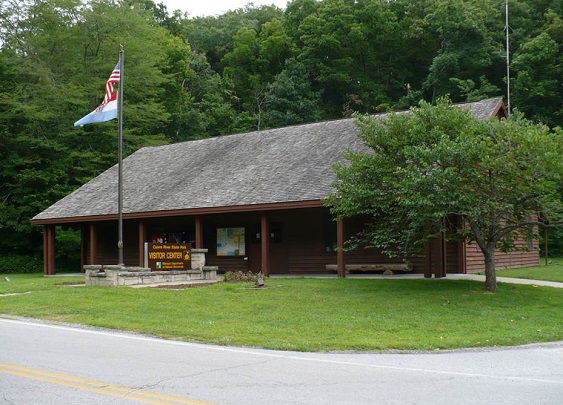
Cuivre River State Park Visitor’s Center
678 State Route 147
Troy, MO 63379
Please join us for a very special presentation from Lori Hetrick-Volenberg about her work with bryophytes, specifically mosses, of Missouri.
Her upcoming book, Mosses of Missouri Through a Hand Lens, is on pre-sale now. More information can be found on her website: mossesofmissouri.com

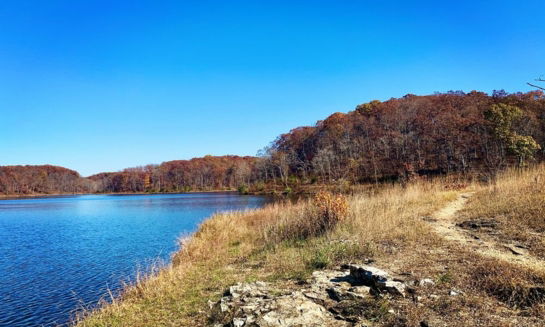
For our Saturday field trips, we will meet at the swim beach parking lot on the north end of Lincoln Lake within Cuivre River State Park. From here, we’ll explore the northeast section of Lakeside Trail.
Today, Cuivre River State Park is recognized as one of the most ecologically significant and biologically diverse parks in the Missouri system. More than seven hundred species of native vascular plants occur here, seventy-nine of which rank as “highly conservative” species, meaning they are found only in high quality, undisturbed communities of great conservation value. The entire park is an Important Bird Area, with 190 species recorded, plus more than eighty kinds of butterflies. The park harbors many species at the edge of their range; such species tend to exhibit greater genetic variability and are critical for maintaining biological diversity. More than twenty species here have not been found in any other Missouri state park—including eight that have not been found anywhere else in the state—and two species are new to science. In the database of species for the entire Missouri park system, Cuivre River has twice as many animal and plant species entered as any other park. That’s not bad for a park that was acquired as a depleted area, pieced together from more than fifty private holdings in the Great Depression. Its geologic history and topographic roughness certainly help, as does its proximity to the Mississippi River, which increased the downcutting and weathering of glacial material, exposing preglacial features that created microhabitats attractive to floral and faunal species from both north and south. Its size and relatively long time as a park also help to enhance diversity. Perhaps the most critical factor has been the decades of active restoration effort here. Several state parks have benefited from long-term stewardship by skilled and dedicated naturalists, but perhaps none more so than Cuivre. Bruce Schuette began here as a summer worker in 1977 and devoted himself to restoring Cuivre until his retirement in 2014. That is rare, and it has made an extraordinary difference here.
Field Trip Leader: Hilary Haley - (816) 255-4805
Leave from Super8 by Wyndham Troy at 8:30 AM
Saturday, June 21st
12:00 PM - Lunch Break
Lunch in the parking lot meeting area for our morning field trip
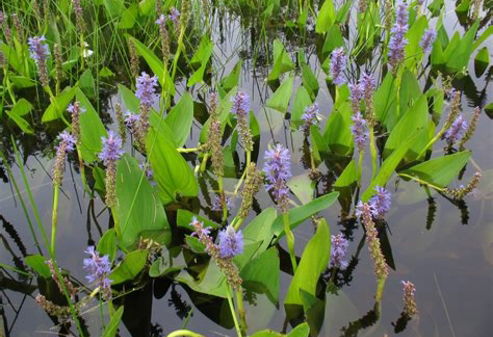
After lunch, we’ll head to Pickerelweed Pond, a quarter-mile walk from the swim beach parking lot. For those interested in a more arduous and in-depth botanizing experience, field trip leader, Bruce Schuette, has agreed to lead the group to Shooting Star Glade. Please be advised that this trek will be through rough terrain and on unmarked trails for roughly ½ mile, so please plan accordingly.
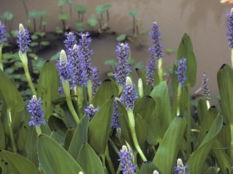
In the large expanse of Big Sugar Creek watershed in the middle of the park, a tiny natural area was designated in 1978 to protect Pickerelweed Pond, a three-quarter-acre upland sinkhole pond. By 1997 the natural area had been expanded to the 1,872-acre Lincoln Hills Natural Area—the park’s pride and joy today. Sinkhole ponds are karst topographic features that dot much of the soluble limestone terrain of the Ozarks and this part of Lincoln Hills. Sinkhole ponds have often been misunderstood and abused, whether through drainage, sedimentation, alteration for livestock, or use as convenient dumping grounds. Yet these ponds served—and Pickerelweed Pond still serves—as refuge for some of the park’s rarest inhabitants, like the Missouri park system’s only known population of the beautiful pickerelweed, a planthopper, and a species of bee that feeds only on the plant-hopper; the bee cannot be found anywhere else in the state. For some species like the rare ringed salamander, these ponds provide a breeding habitat at the northern extreme of their global range. Pickerelweed Pond was the one sinkhole in north Missouri that retained sufficient integrity to be designated a natural area in 1978.
Field Trip Leader: Hilary Haley - (816) 255-4805
Saturday, June 21st
5:00 PM - Dinner (Optional)
7 Troy Square
Troy, MO 63379

Saturday Evening - June 21st
7:00PM
Annual Meeting followed by Board Meeting
Cuivre River State Park Visitor’s Center
678 State Route 147
Troy, MO 63379
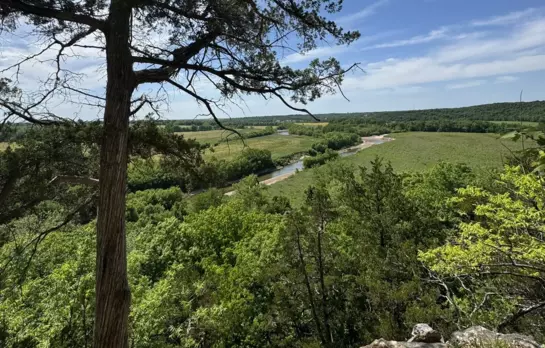
This popular trail follows Geode Creek for a short distance before winding up a hill and emerging on top of Frenchman’s Bluff. The 120-foot-high bluff, formed in Burlington limestone, offers outstanding vistas of the Cuivre River valley. After continuing along the bluff for approximately half a mile, the trail crosses the road and returns to the picnic shelter.
Field Trip Leader: Hilary Haley - (816) 255-4805
Leave from Super8 by Wyndham Troy at 8:30 AM
Click Here for Detailed Directions
Lodging Options