"The Cutest Flower in All the Land"
Pencil Flower (Stylosanthes biflora)
by Edie Starbuck
Plant photos courtesy of the author
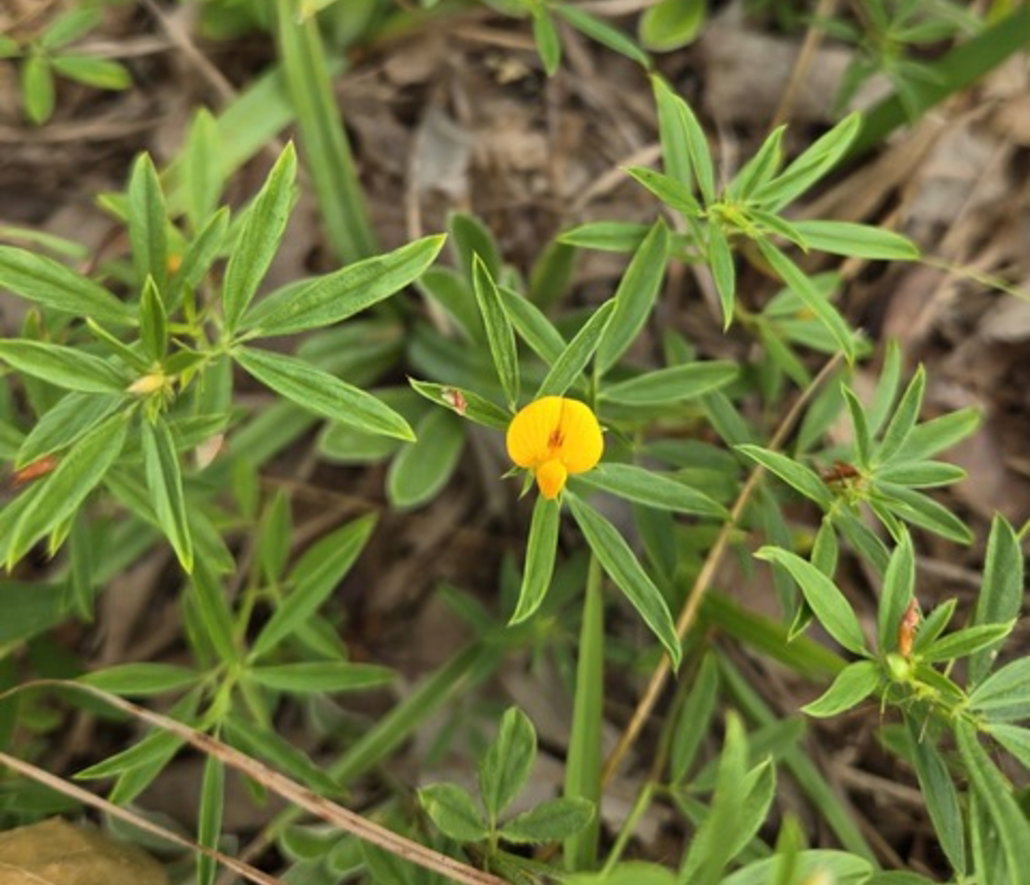
Figure 1 - Pencil flower, Stylosanthes biflora
Pencil flower, Stylosanthes biflora, is a member of the plant family, Fabaceae (legumes), with tiny 5-9 mm pea-like flowers on its stems, which can be up to 40 cm long, but are often shorter, and spreading across the ground.
The quote above can be found in two online articles about Stylosanthes biflora (Pencil Flower (usda.gov) and Stylosanthes biflora (Endbeak Pencilflower, Pencil Flower, Sidebeak Pencilflower) | North Carolina Extension Gardener Plant Toolbox (ncsu.edu)). Neither attributes the quote to anyone in particular, though it sounds like a proclamation from a princess in a fairy tale.
The Missouri Plants website notes in a more subdued tone: “The small, bright orange-yellow flowers, which often appear nearly circular, are unique in Missouri’s flora.”
Unique because, while Missouri’s native legumes generally have purple, pink, or white flowers, the flowers of Stylosanthes biflora are bright orange-yellow, fading to a yellow-white with age.
Pea flowers are made up of distinctive petals that include the banner, wings and keel.
The name, pencil flower, refers to the stalk-like calyx tube comprised of the fused keel petals surrounding the (also fused) filaments of the pistils. This structure is often difficult to see as the wing petals cup around it.
The banner petal is 5-9 mm by 4-7 mm, and is broadly ovate, but can appear nearly circular. The banner petal may or may not have streaks of reddish purple near the center.(See figures 2 and 3)
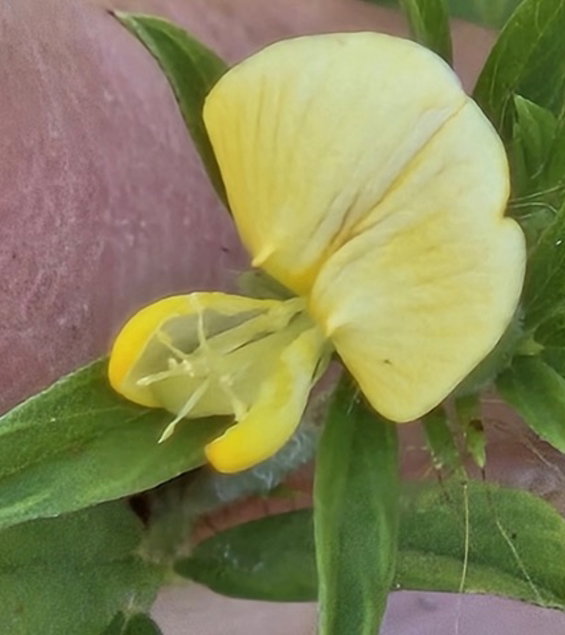
Figure 2 - The reason behind the name: note the hollow calyx tube between the wing petals.
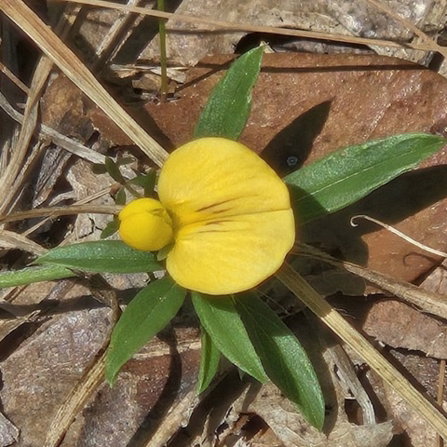
Figure 3 – In this photo, wing petals almost entirely enclose reproductive flower parts. Also note the "landing pad" splash of reddish-purple on the banner petal.
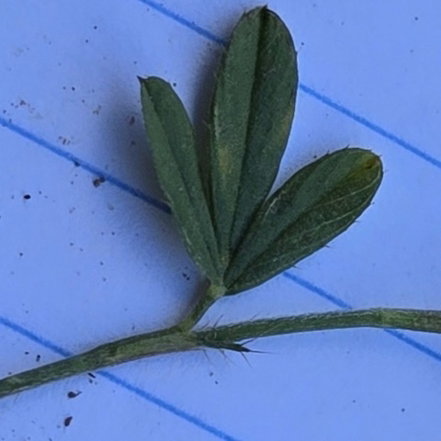
Figure 4 - Leaf and stipule. Note the tiny bristles on both in this photo.
The leaves are alternate along the stem and are compound. Each leaf is made up of three leaflets that are 8-20 mm long and 3-7 mm wide, narrowly elliptic to lanceolate.
The upward-angled lateral veins are prominent on the underside (figure 5).
The leaves are smooth (glabrous), and the edge of the leaflets may be smooth (entire), or may have hairs or bristles.
Stems are hairy to bristly and a stipule is present where the leaf petiole meets the stem.This stipule appears quite bristly (figures 5 and 6).
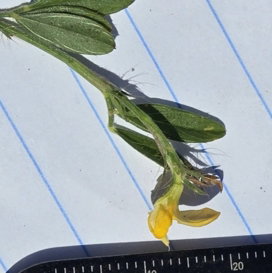
Figure 5 - Note prominent lateral veins on underside of leaf at top
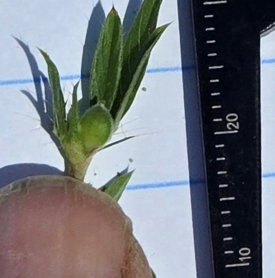
Figure 6 - Each flower generally produces a single seed.
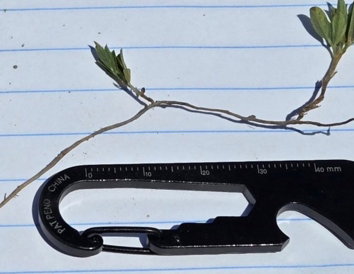
Figure 7 - small plants found along underground "runners".
Each flower generally produces a single seed inside of its pod-like fruit, which is called a loment.
The United States Department of Agriculture (USDA) reports that they are a favorite food of quail and turkey.
In addition to reproducing by seed, underground “runners” spread from the usually sturdy roots of the plant. (See figure 7)
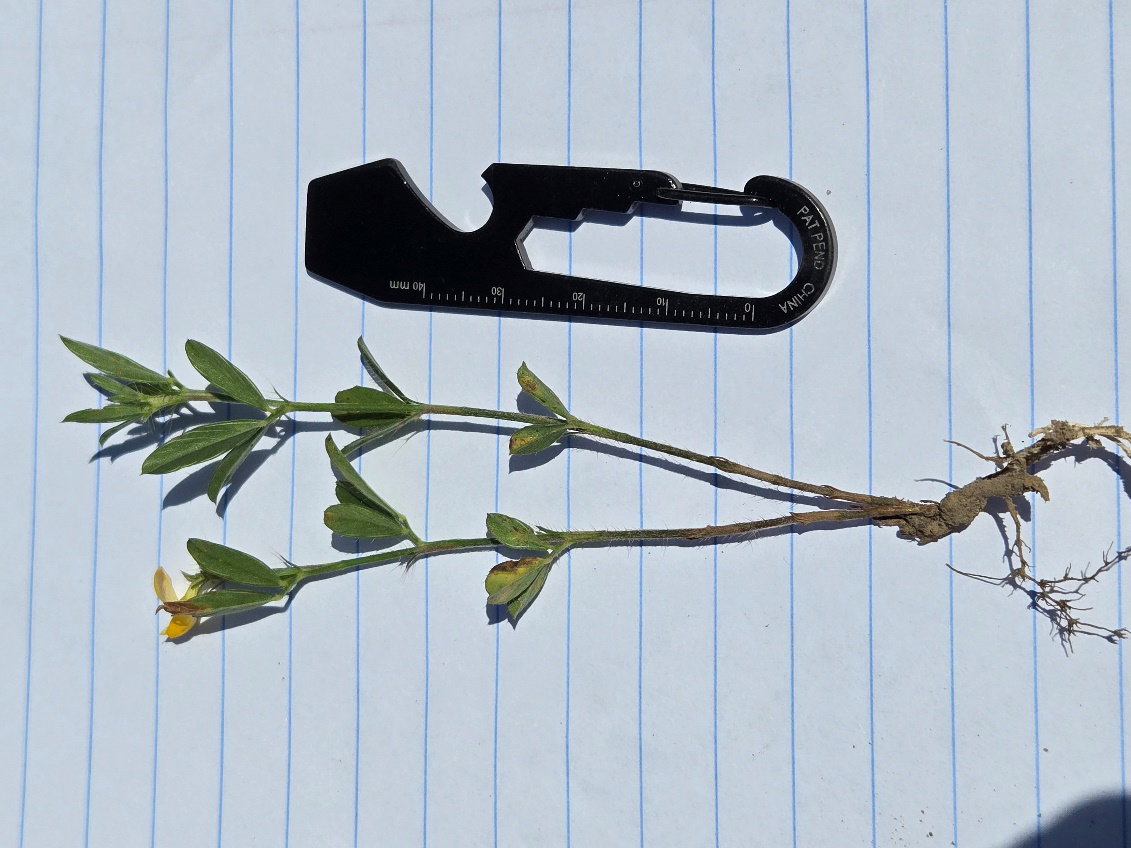
Figure 8 - Roots are generally thick and break easily.
According to the USDA, the range of Stylosanthes biflora includes much of the southern and eastern part of the United States, but also includes the state of Arizona, making one wonder if someone in New Mexico just needs to look harder!
Plant characteristics vary across its range, especially hairiness, erectness, and number of flowers. In the past, it was defined as more than one species. As it stands now, this is the only species in its genus in Missouri. Additional species of this genus can only be found in the US in Florida and Arizona. The majority of species in this genus are found in subtropical or tropical areas.
The plant is used by many animals; the leaves are eaten by rabbits and deer, seeds by quail and turkey, and it is a host plant for barred sulphur and little sulphur butterflies, as well as at least one type of leaf beetle.
Pencil flower has a long bloom period, from May through September, but if you want to look for it in bloom, wait until later in the morning as the flowers remain closed until the sun is overhead. It prefers dry rocky woodlands, glades, and bluffs with full sun and nutrient poor soils, where it doesn’t have much competition.
Like other plants in the legume family, it has the ability to make its own nitrogen, so it can survive where other plants may not. After finding it, you may agree that it is “the cutest flower in all the land”!